
When we pack our bags for a lakeside getaway, a tropical ocean plunge, or a serene river kayak tour, safety is usually the last thing on our minds. The soothing sound of lapping water easily lulls us into a false sense of absolute security. Yet, nature has its own unpredictable rhythm, and aquatic environments can turn hazardous in a matter of seconds.
Recognizing the subtle warning signals of mother nature is the absolute ultimate cheat code for any smart traveler. Whether you are swimming in a calm lake, catching ocean waves, or wading through a jungle river, knowing what to look out for keeps your dream vacation from turning into a nightmare.
READ ALSO >>> Mastering the Tides: What to pack, prep, and prevent when traveling on water
Here is your essential guide to reading the hidden safety signs of the open waters.
The Ocean’s Hidden Traps
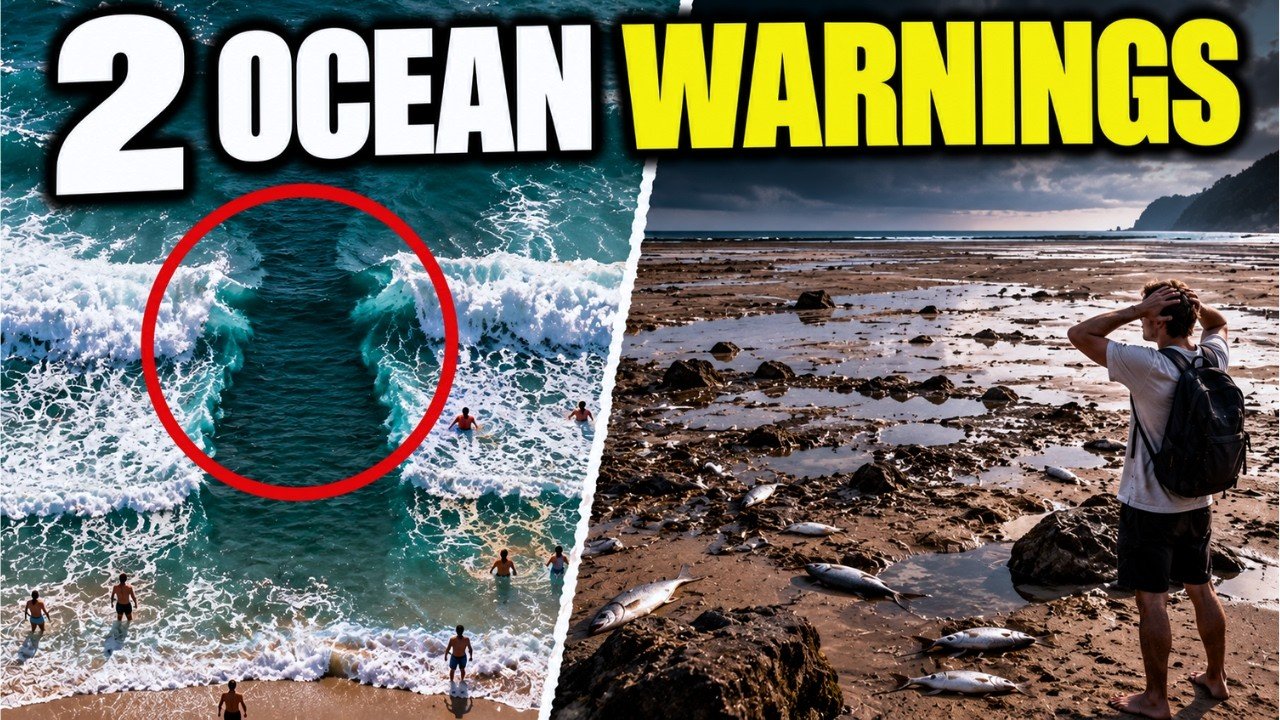
The ocean is magnificent, but its sheer power demands immense respect from every visitor. One of the most dangerous hazards in the sea is a rip current, a narrow, fast-flowing channel of water moving directly away from the shore. These currents are deceptively powerful and can sweep even the most experienced swimmers out into deep open water before they realize what is happening.
Spotting a rip current before entering the ocean is easier than you might think if you know what to look for. Keep a close eye out for a noticeable gap in the breaking waves, unusual discolored or murky water, or a line of foam and debris moving steadily seaward. If you ever find yourself caught in one, never swim directly against it; always swim parallel to the shoreline until you escape its pull.
Another ocean warning sign comes directly from local marine life and changing tide patterns. A sudden influx of jellyfishes near the shoreline, rapidly receding waters, or unusual churning foam often signals strong underwater surges or dangerous wildlife activity. Always respect posted beach flags and pay attention to how the tide moves throughout the afternoon.
Lake Hazards You Shouldn’t Ignore
Lakes often look deceptively peaceful compared to the roaring waves of the ocean. Without tides or massive crashing surf, it is easy to assume that lakes are entirely risk-free zones. However, freshwater lakes carry unique hidden dangers that require your full attention before taking a dive.
The most common invisible danger in lakes is a sudden and extreme change in water temperature, scientifically known as a thermocline. A warm surface can quickly mask freezing cold water just a few feet below. Diving headfirst into cold depth layers can trigger severe cold shock, causing involuntary gasping, rapid panic, and severe muscle cramping.
Additionally, lakes are notorious for drop-offs and underwater hazards that are completely hidden by murky water. Submerged tree roots, sharp rocks, discarded fishing gear, and sudden depth plunges are major hazards. If the water lacks clarity, avoid diving at all costs and enter slowly by feet first. Furthermore, vibrant green or blue-green algae blooms on the surface can be toxic, so keep clear if the surface looks like pea soup.
Navigating Dangerous River Currents
Rivers are dynamic, living bodies of water that are constantly shifting and moving. What seems like a gentle, shallow stream on the surface can harbor immense kinetic force underneath. The golden rule of river safety is simple: never underestimate the power of moving water, no matter how shallow it appears.
One of the biggest river red flags is a sudden change in water color and flow velocity. If a clear river suddenly turns muddy, brown, or starts carrying heavy debris like tree branches, a flash flood upstream is likely occurring. Water levels can rise dramatically within minutes, trapping unsuspecting swimmers on small rocks or slippery shorelines.
You should also learn to identify dangerous hydraulic features like “strainers” and “sweepers.” These are fallen trees, overhanging branches, or rock formations that allow water to pass through while trapping solid objects—including people—underneath. Always stay far away from clogged river sections and never swim near low-head dams, which create inescapable recirculating currents.
General Rules for Happy Splashing
Staying safe around water does not mean you have to stop having fun; it simply means staying aware and making smart choices. Always swim in designated areas monitored by certified lifeguards whenever possible. Lifeguards are trained to read the subtle changes in water conditions long before the average tourist spots them.
Never consume heavy alcohol before participating in water activities or swimming. Alcohol severely impairs your judgment, slows your physical reflexes, and drastically reduces your body’s ability to handle cold temperatures. Pair up with a buddy whenever you enter the water so someone always knows where you are.
Finally, always equip yourself and your family with properly fitted, certified life jackets during boating, kayaking, or rafting adventures. Respecting the water ensures that your vacation memories remain joyful, refreshing, and completely stress-free for everyone involved.